
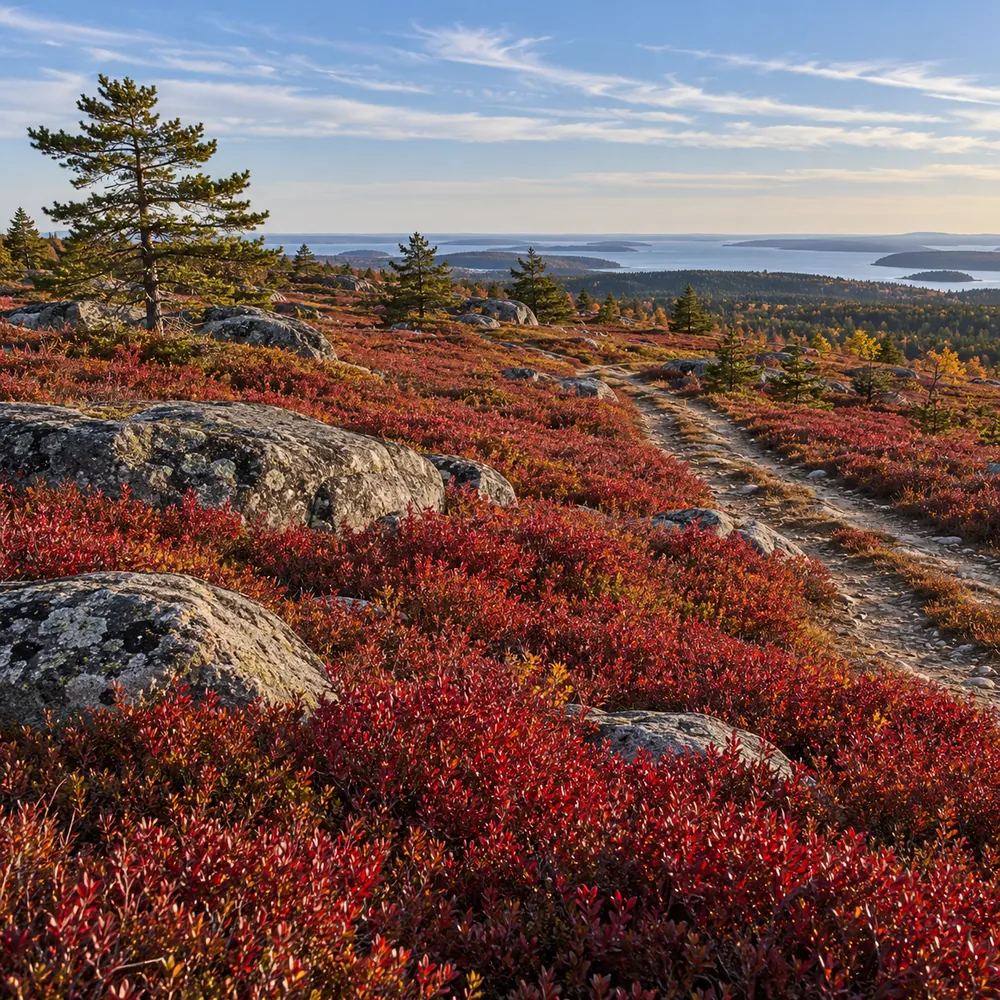
Three landscapes, half an hour apart
Spruce forest, open barrens and the cold Atlantic shore sit closer together in Downeast Maine than almost anywhere in the country. This is our guide to what lives in each, when to go and how to leave it as you found it.
Jump to a landscape
These pages are written by our guides from twelve years of field notes. Use them to plan your own hikes, or to decide which of our trips suits you.
Species listed are ones guests see regularly on our trips, not rarities seen once. Where a site is sensitive, for example seal ledges, peregrine cliffs or orchid colonies, we describe the habitat but do not publish exact locations.
Forests: spruce, fir and the edge of the North Woods
Nearly 90% of Maine is forest, more than any other state. On the coast, summer fog and cool air give the spruce-fir woods the damp, mossy feel of a much more northern place.
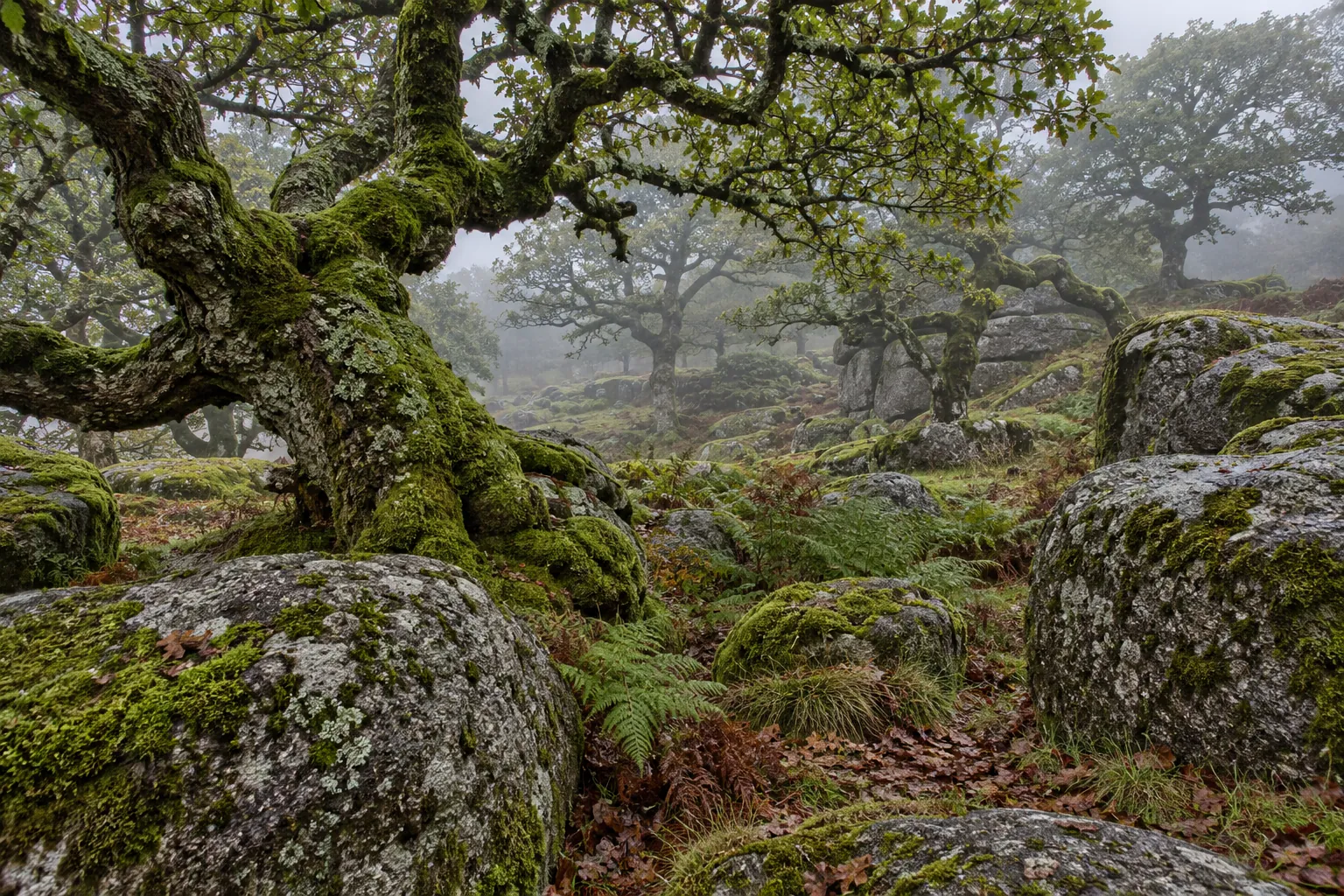
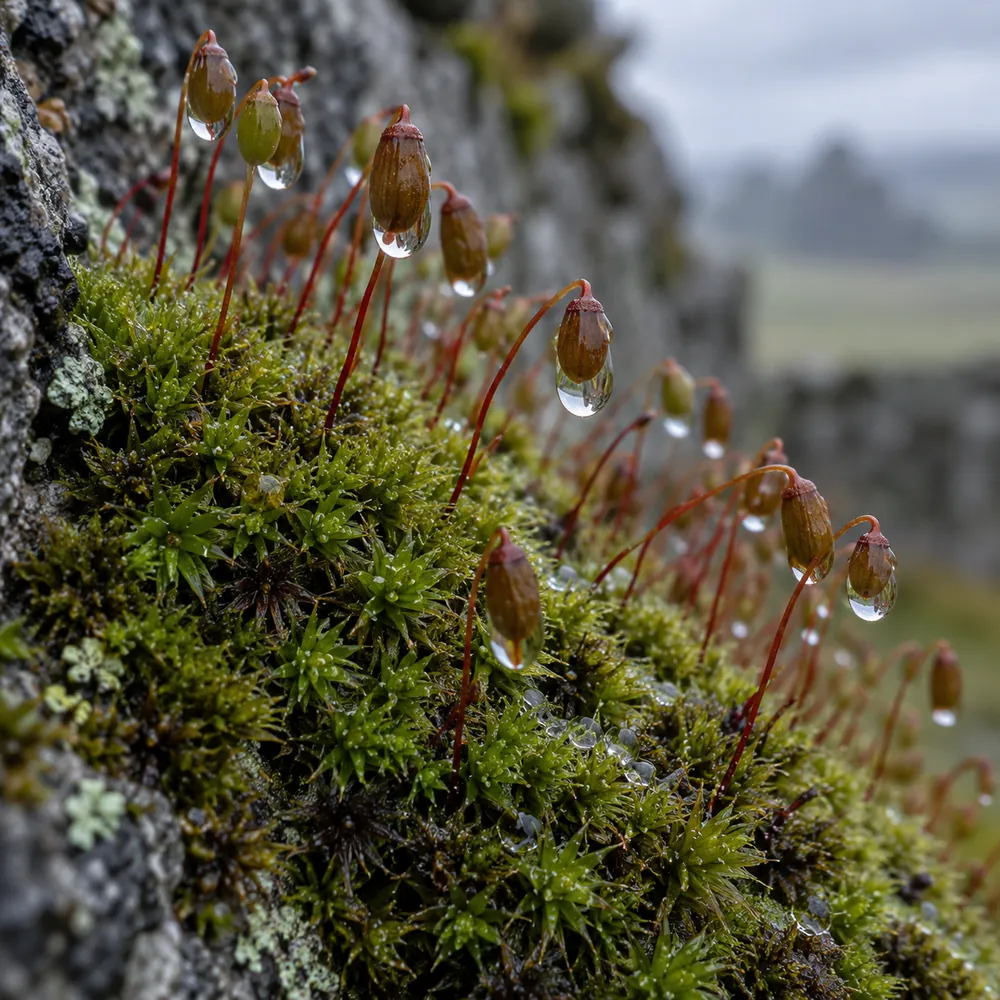
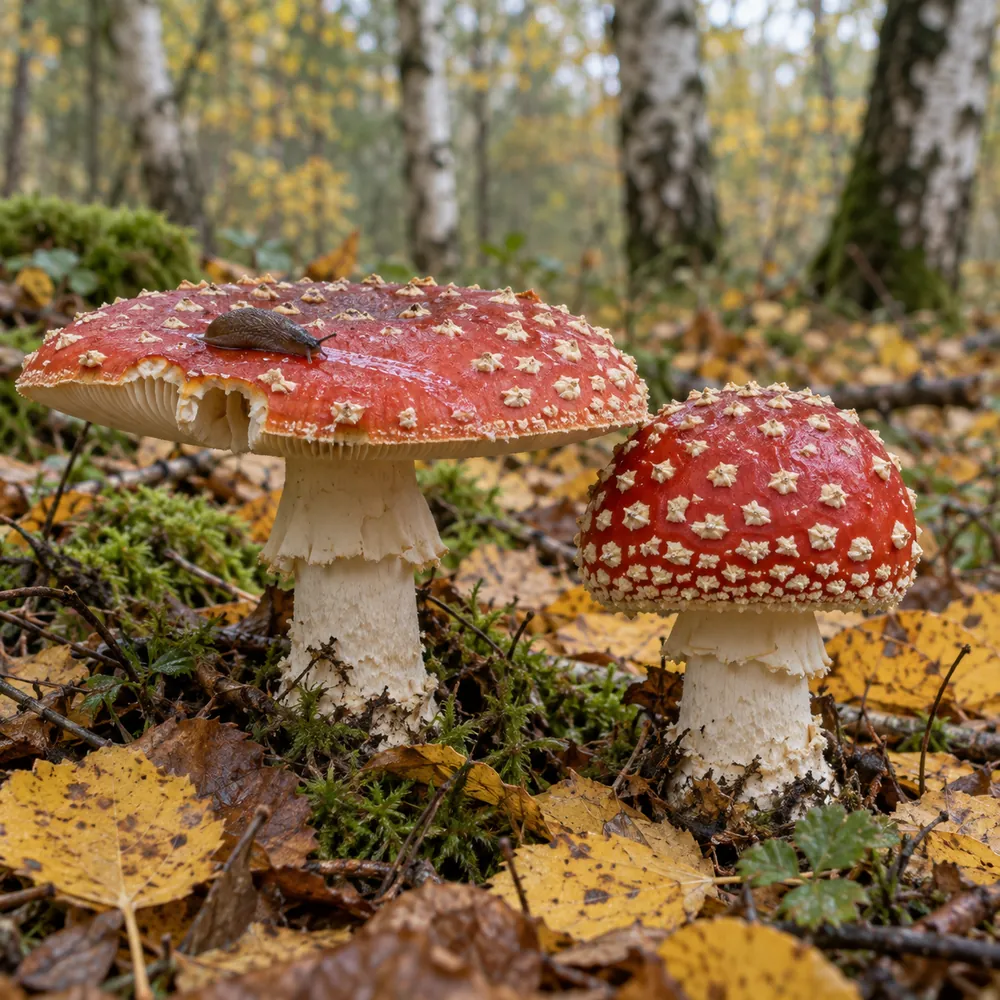
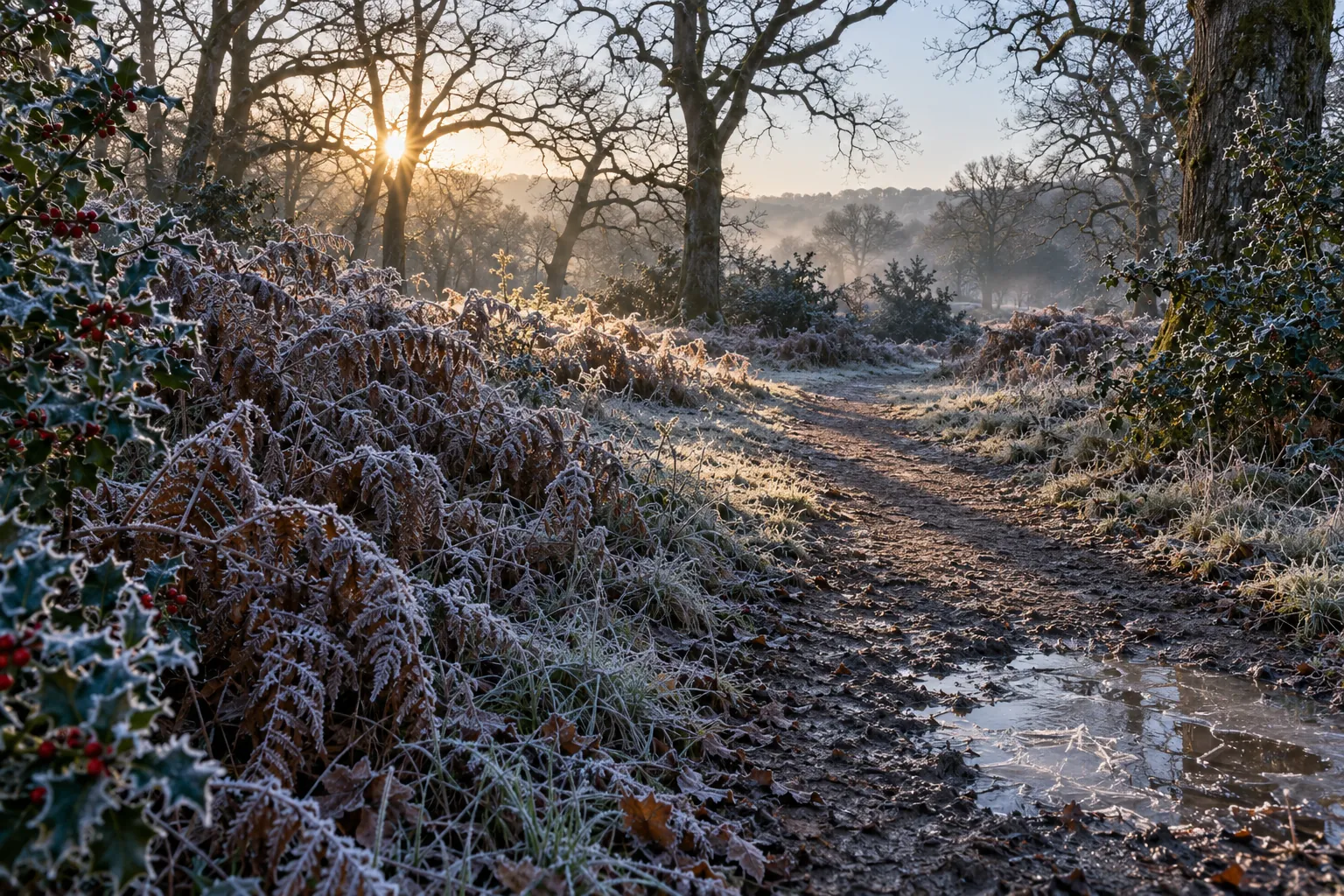
Our forest trips visit three kinds of woods: the fog-soaked spruce and fir along Acadia's shore, where glacial boulders wear thick coats of moss; the mixed birch, beech and maple around Sieur de Monts, loud with warblers in late May; and the quieter Downeast woods near Ellsworth, which are our favorite places for fall mushrooms.
What you are likely to find
Old man's beard
Usnea spp.Pale green lichen hanging from spruce branches. It only thrives where the air is very clean, so plenty of it is good news for the whole forest.
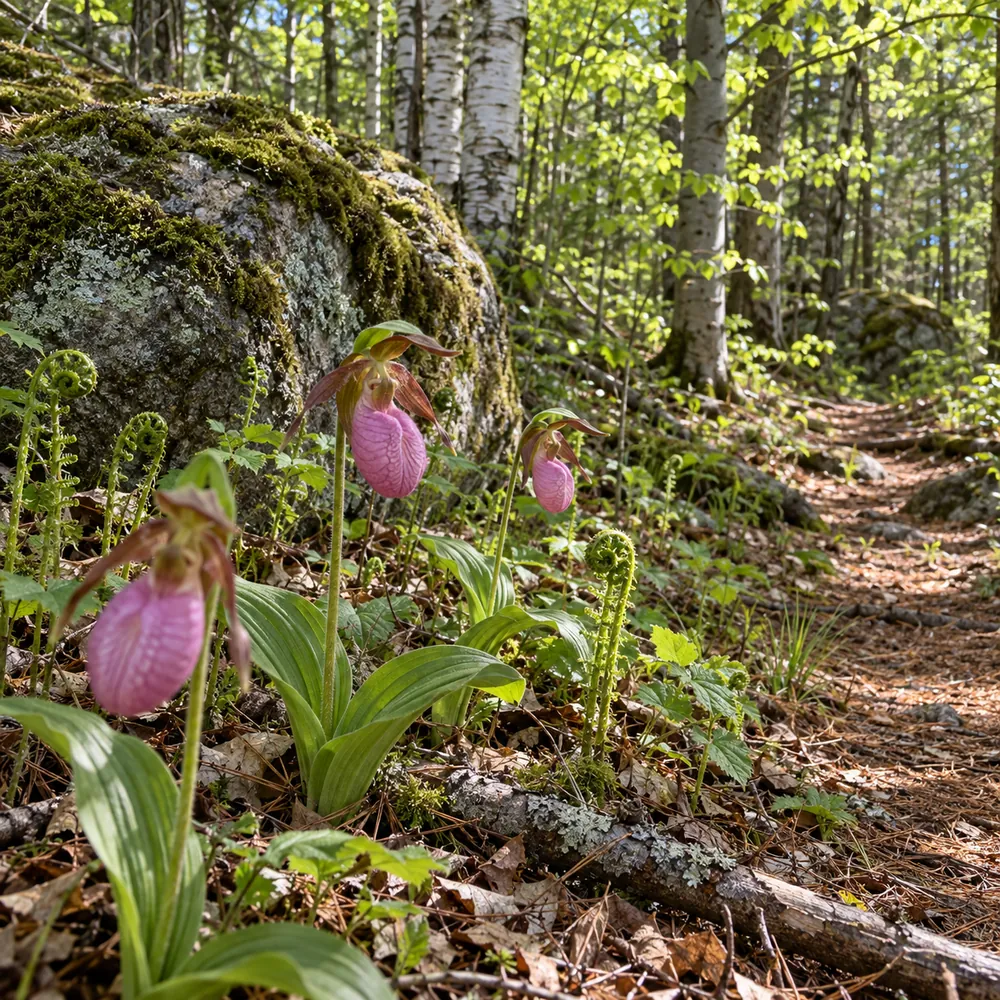
Year roundPink lady's slipper
Cypripedium acauleA native orchid that needs a soil fungus to survive. Plants can take a decade to bloom, so never pick or dig one.
Late May to JuneBlack-throated green warbler
Setophaga virensSings a lazy "zee zee zoo zee" from the tops of hemlocks and spruce all summer long.
May to AugustSpruce grouse
Canachites canadensisA tame, cryptic bird of northern conifer forest. Watch for the red eyebrow on males walking the trail ahead of you.
Year roundFields: hayfields, stone walls and blueberry barrens
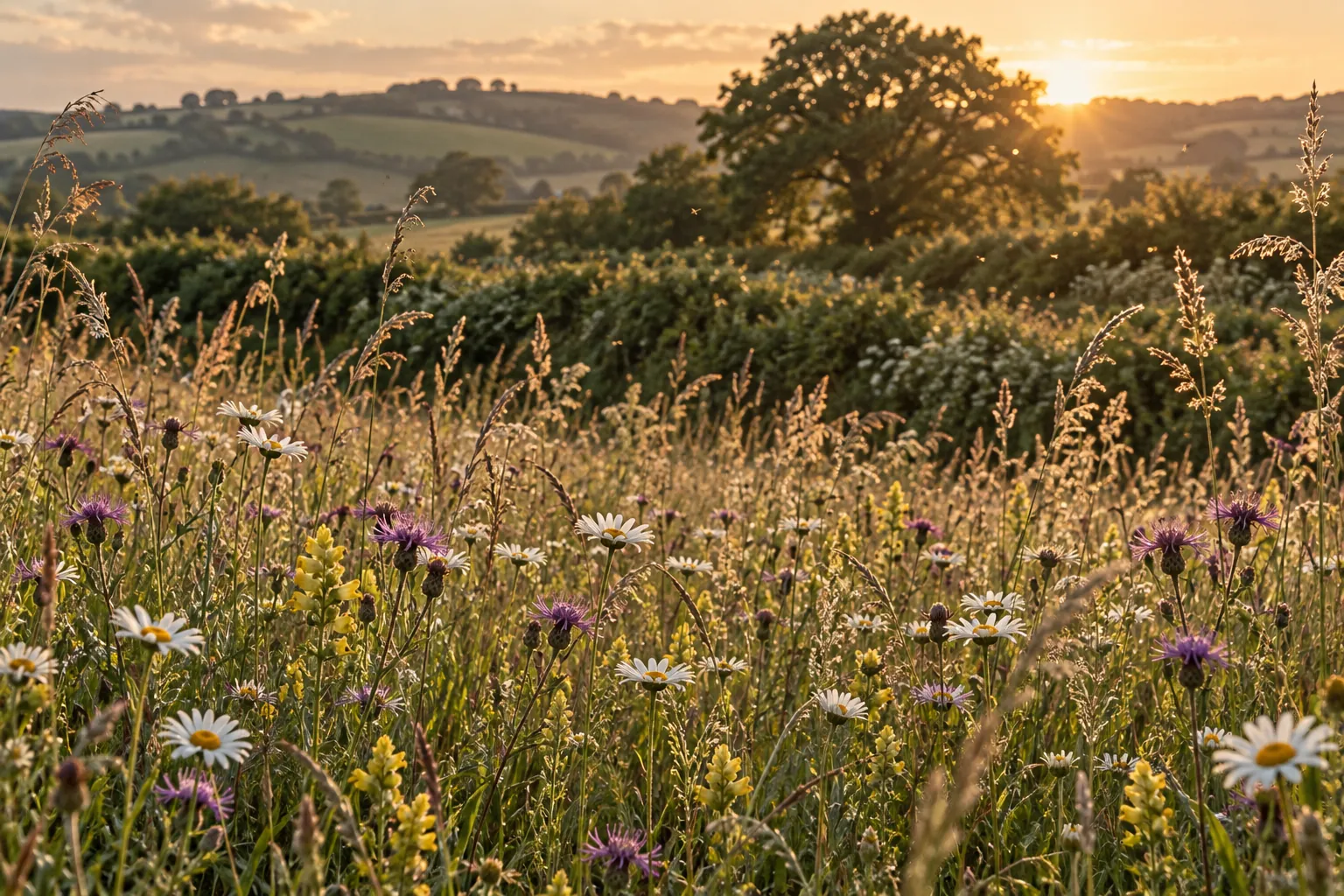
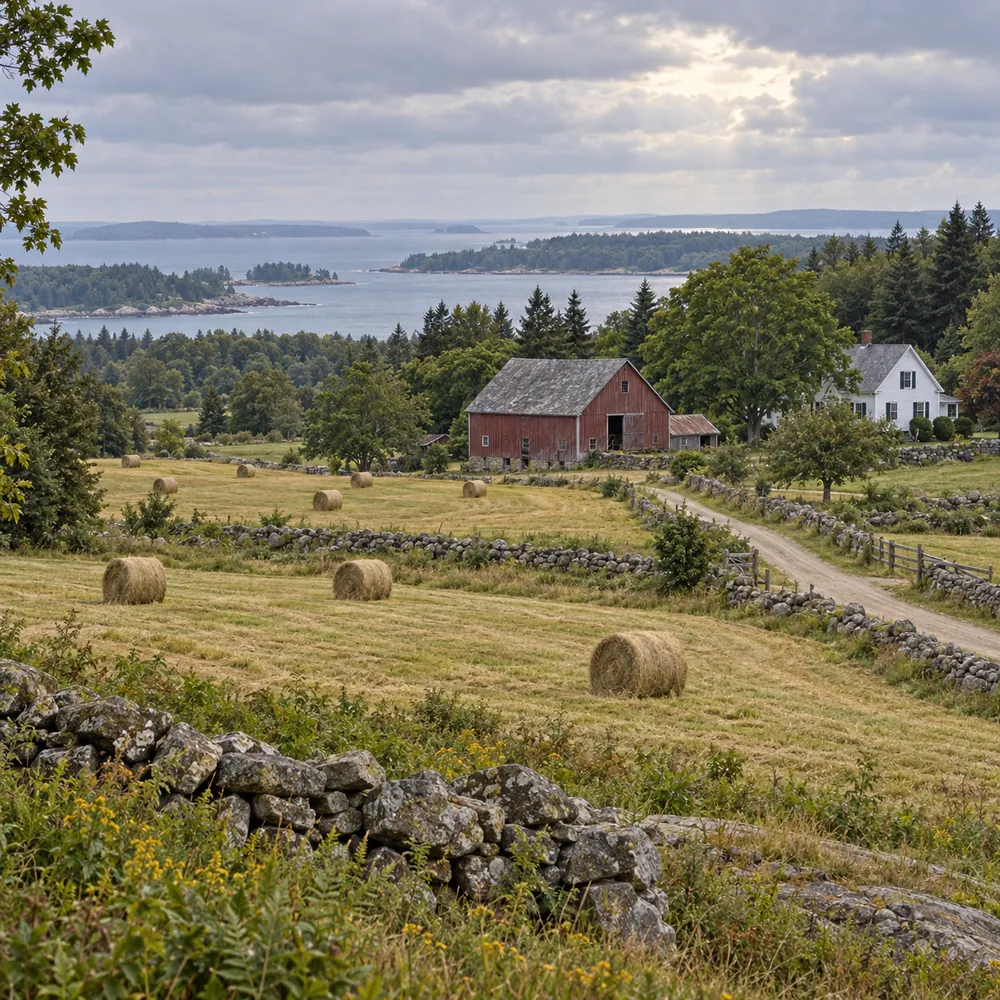
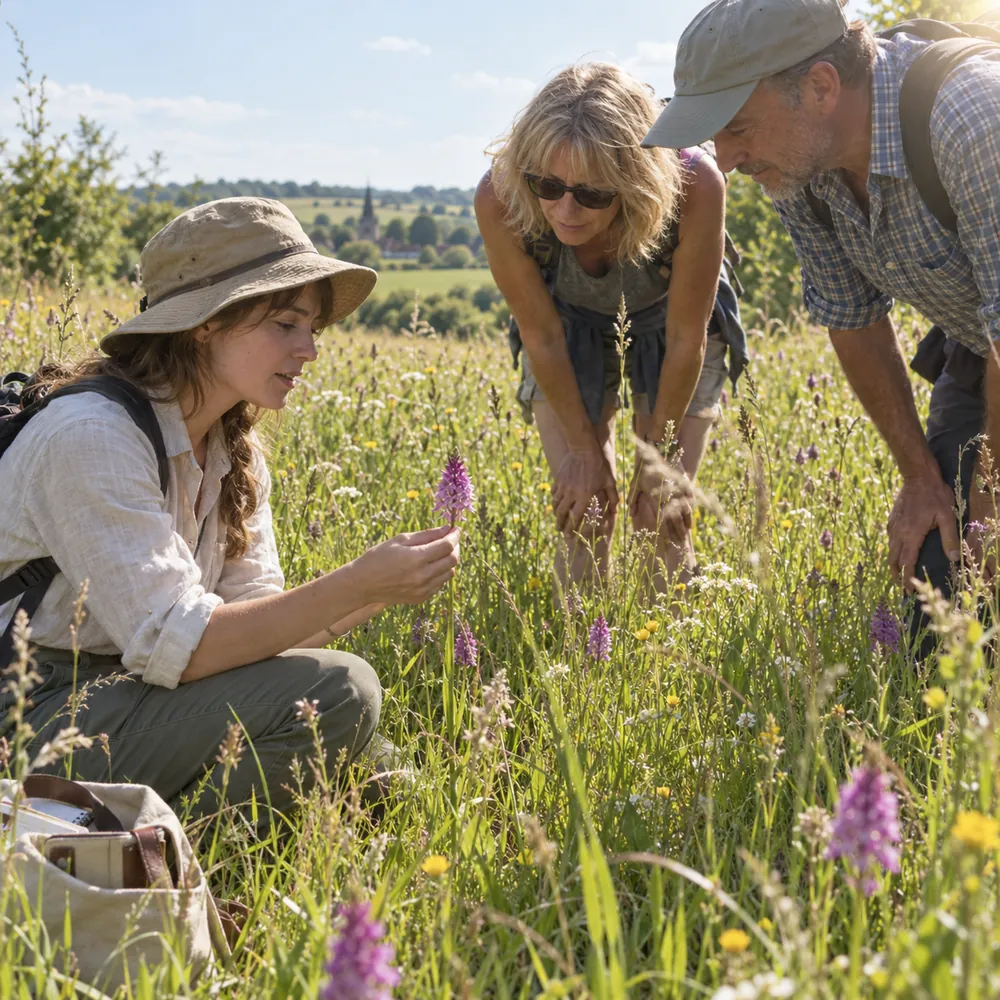
Farmed land is wildlife habitat when it is managed gently. Late-mown hayfields, old stone walls and the open blueberry barrens of Downeast Maine are some of the richest places we walk.
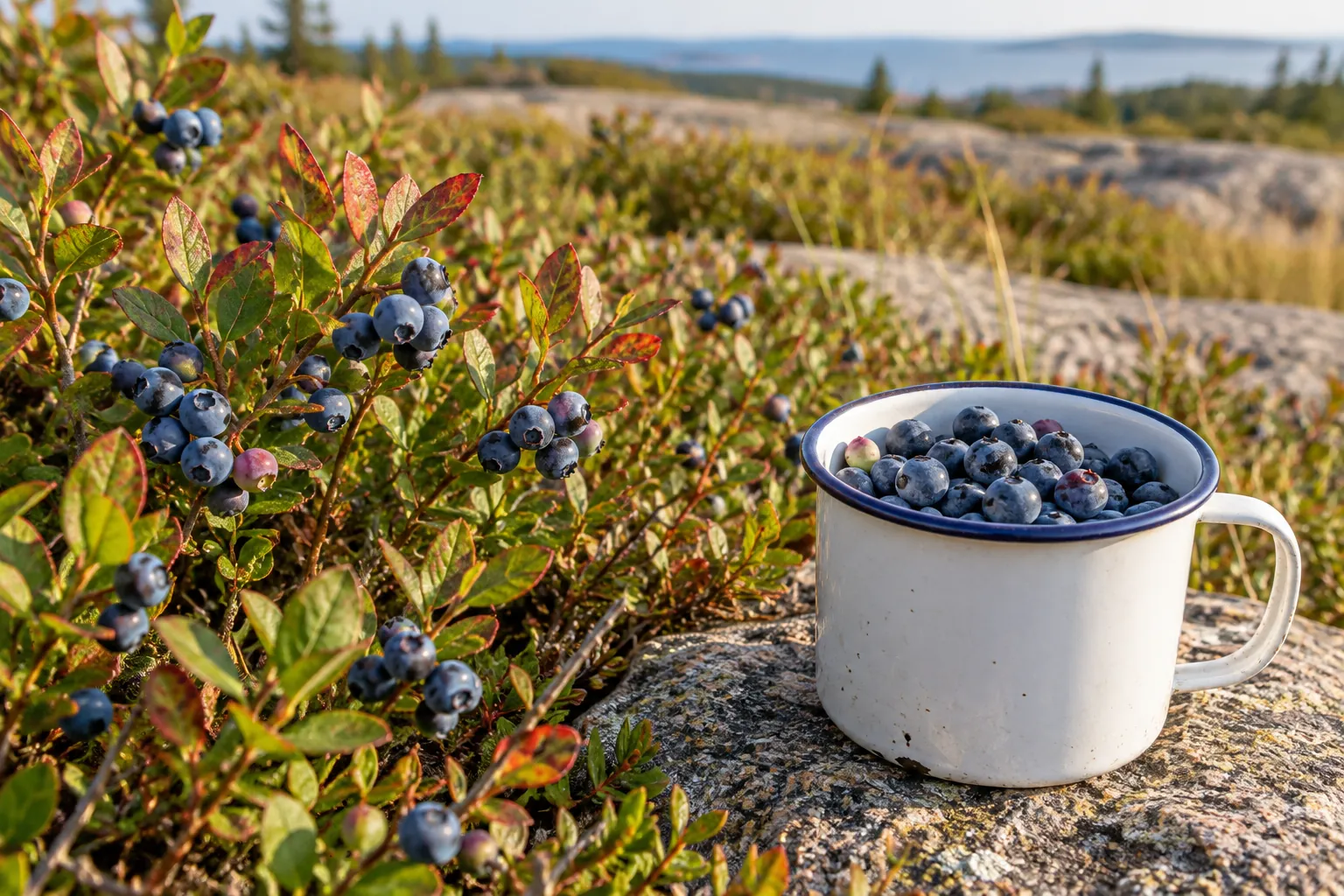
New England's stone walls were piled up by farmers clearing fields two centuries ago; today they shelter chipmunks, snakes and wrens. The barrens are just as historic. Lowbush blueberries have grown on these sandy glacial plains for thousands of years, and Maine still produces nearly all of the country's wild crop. We work with the farmers who keep these fields, and our meadow days end with lunch from their farm stands.
What you are likely to find
Bobolink
Dolichonyx oryzivorusA black and white songbird with a bubbling song that nests on the ground in hayfields. Mowing after mid-July lets its chicks fledge.
May to JulyLupine
Lupinus polyphyllusTall purple, pink and white spikes that fill Maine roadsides and meadows every June. Not native, but now part of the coast's identity.
JuneMonarch butterfly
Danaus plexippusLays its eggs only on milkweed. Fall adults born here fly roughly 2,500 miles to the mountains of central Mexico.
July to SeptemberLowbush blueberry
Vaccinium angustifoliumSpreads underground, so a single plant can cover an acre and live for over a century. Turns the barrens crimson in October.
August harvestOceans: granite ledges, kelp beds and the Gulf of Maine
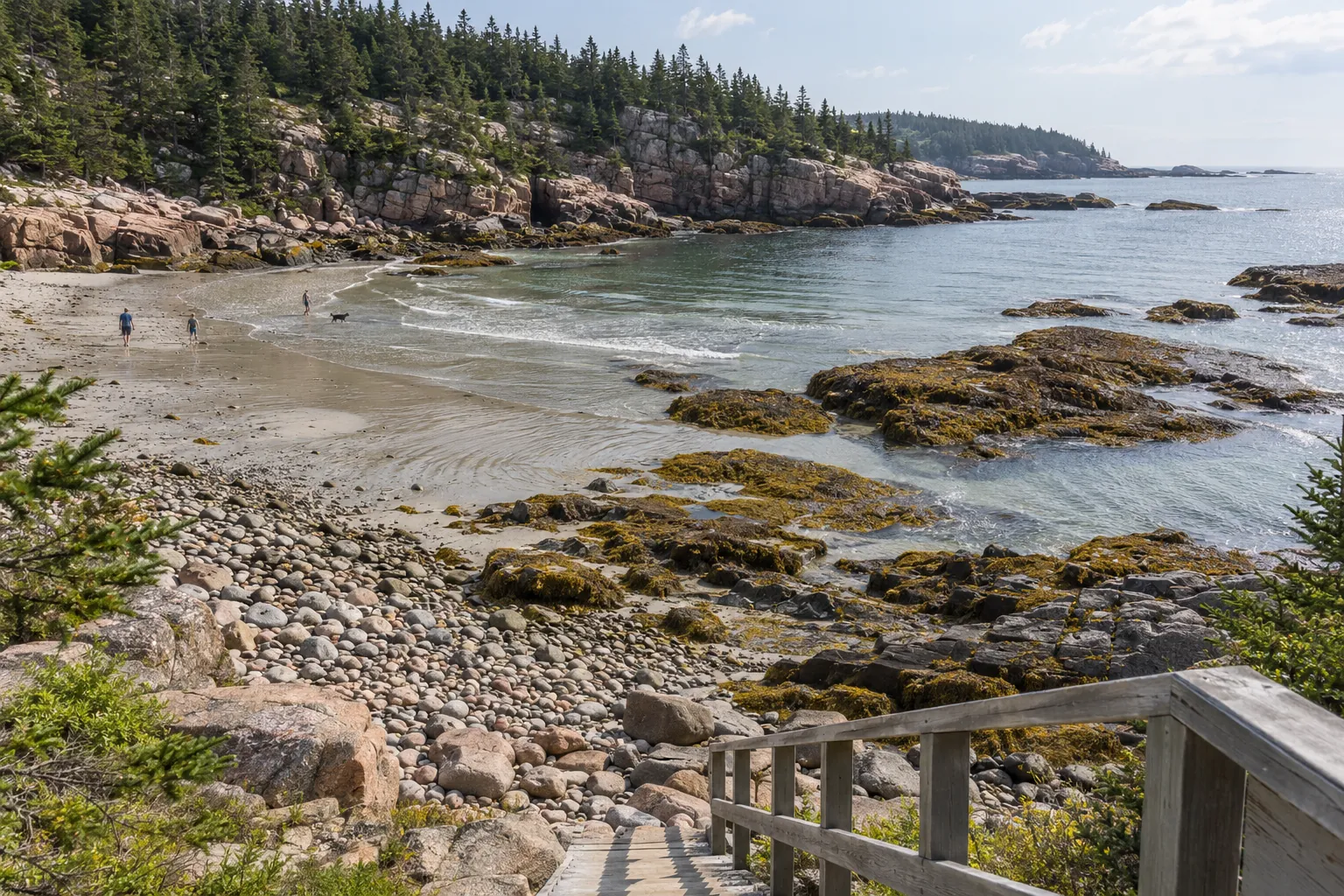
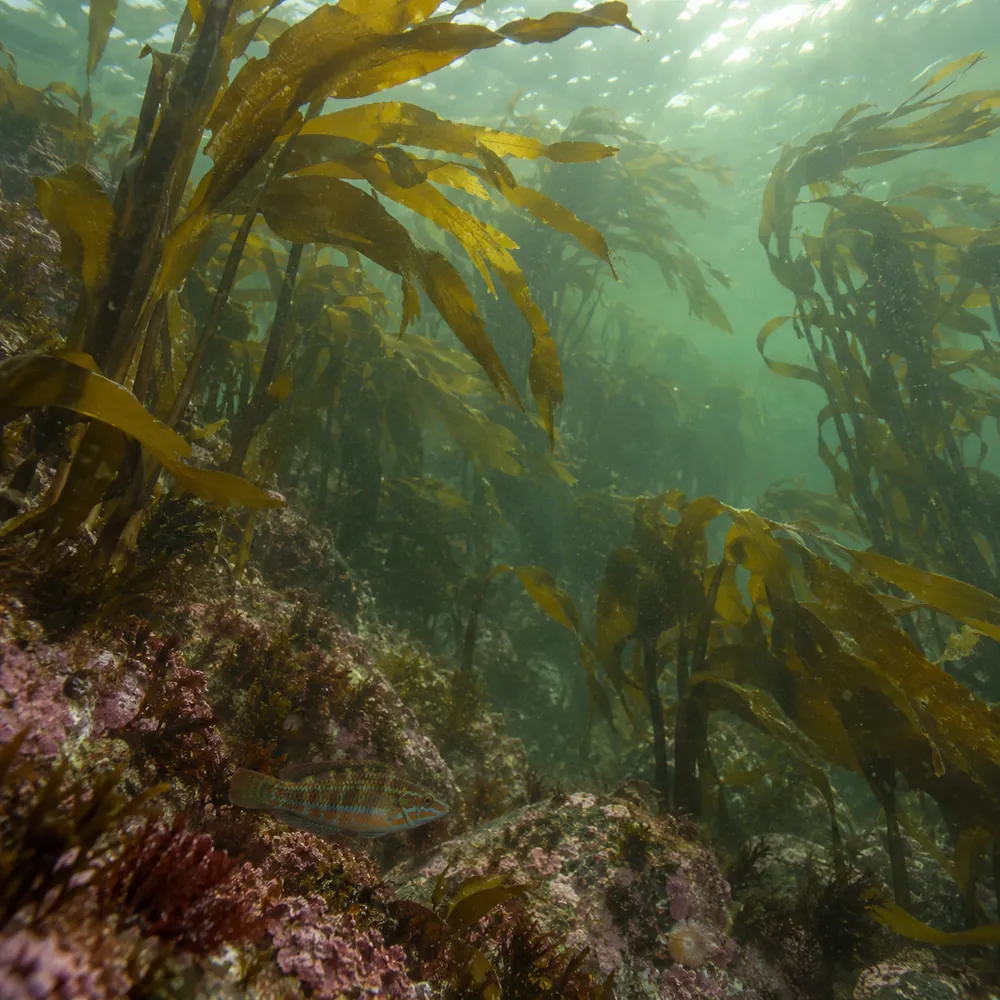
The Gulf of Maine is cold, rich and changing fast: it is one of the fastest-warming bodies of ocean water on Earth. That makes the tide pools, kelp beds and seal ledges we visit worth watching closely.
At Bar Harbor the tide rises and falls more than ten feet twice a day. On the lowest tides of the month, around the full and new moon, the sea pulls back far enough to uncover the lower shore, where sea stars, urchins and anemones live. In summer, sugar kelp grows thick off Mount Desert Island, and beyond the islands humpback and finback whales arrive to feed.
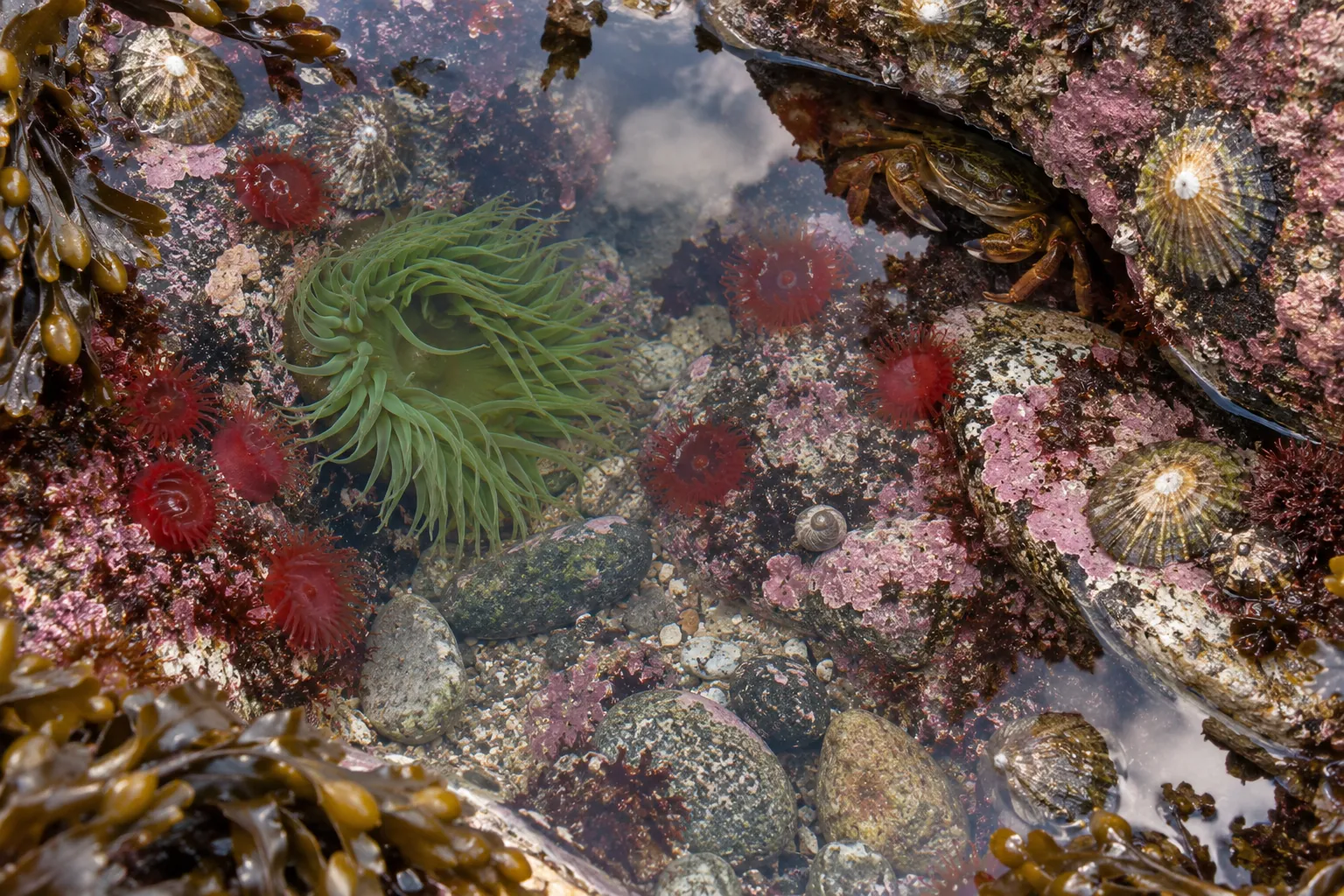
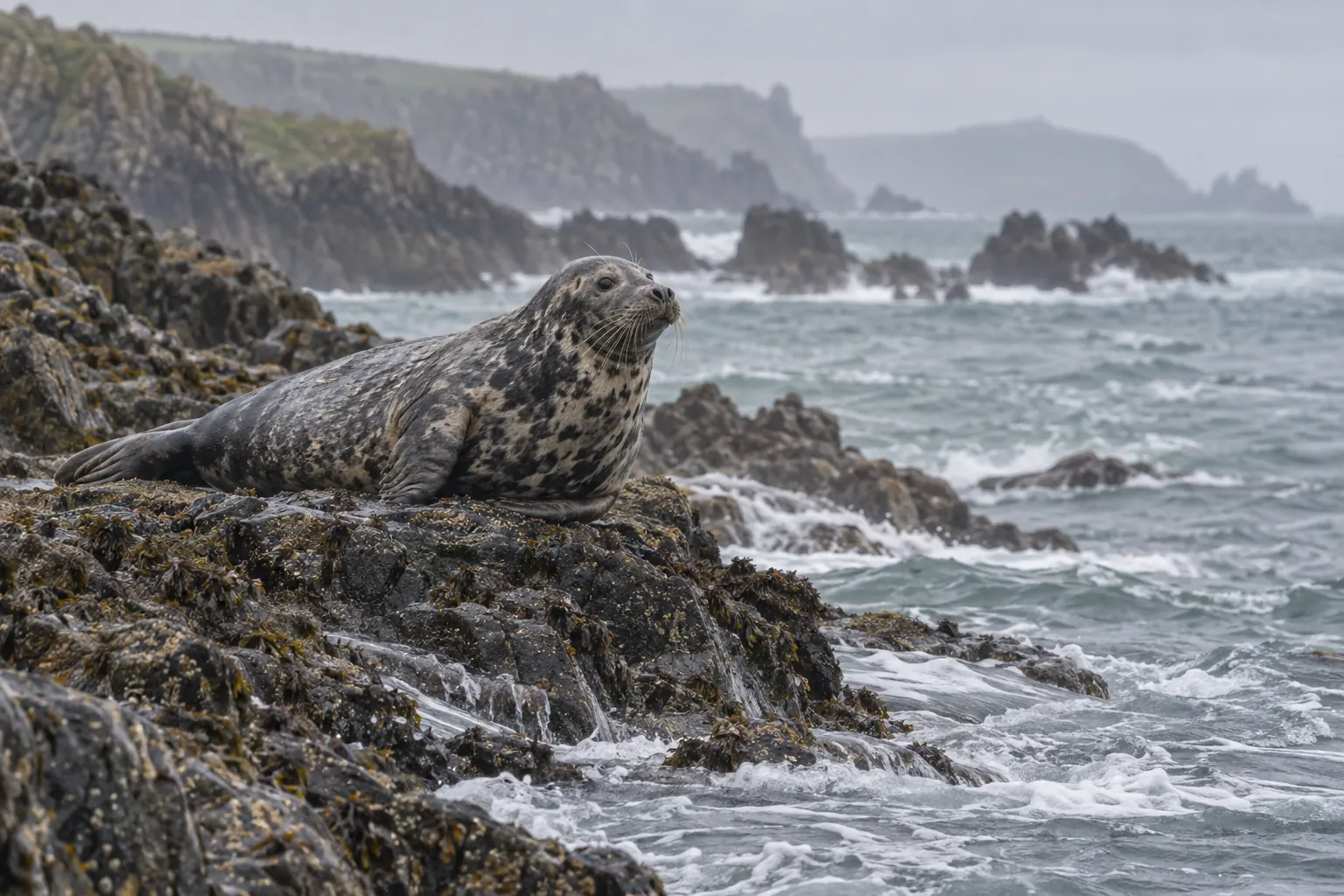
What you are likely to find
Northern sea star
Asterias forbesiPries open mussels with its tube feet and pushes its stomach inside. Look for them under rockweed on the lowest tides.
April to OctoberHarbor seal
Phoca vitulinaHauls out on ledges at low tide. Pups born in May and June are often left alone on shore while their mothers feed.
Year roundGreen sea urchin
Strongylocentrotus droebachiensisGrazes kelp with five teeth. Once overfished for export, it is slowly returning to Maine's shallow ledges.
Year roundAtlantic puffin
Fratercula arcticaNests on a handful of outer islands off the Maine coast, restored there after decades of absence.
June to AugustSix rules every guest walks by.
We follow the seven Leave No Trace principles and National Park Service rules in Acadia, and add a few of our own learned the hard way.
Stay on the trail
Trails concentrate wear. One step off the path onto summit vegetation can undo decades of slow growth on thin mountain soil.
Put every rock back
Lift rockweed and stones gently, look, and set them back the same way. Collecting anything is not allowed in Acadia.
Watch, then leave
If a seal looks at you, you are too close. Federal guidance asks for at least 50 yards, and we keep more on the water.
Pick little, pick common
Berries only where picking is allowed and only for eating now. Never on a commercial barren without the grower's permission.
Respect nesting season
Some cliff trails close each spring for nesting peregrine falcons, and we give ground-nesting birds a wide berth until August.
Give something back
5% of every booking funds trail and conservation work, and guests join two beach cleanups and a trail work day each year.
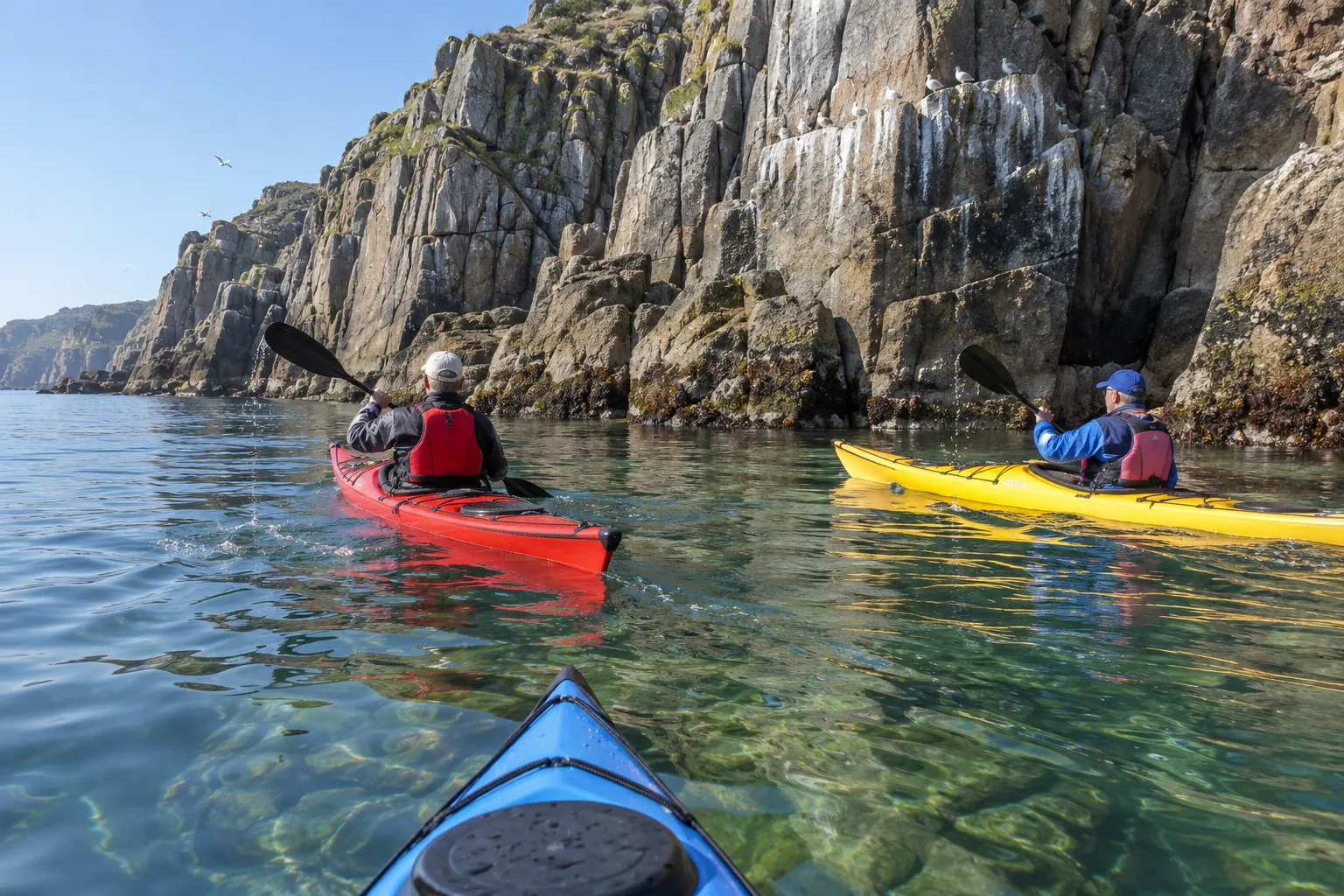
See all three with a guide who knows them.
Nine small-group experiences across forest, meadow and coast, from $25 per person.