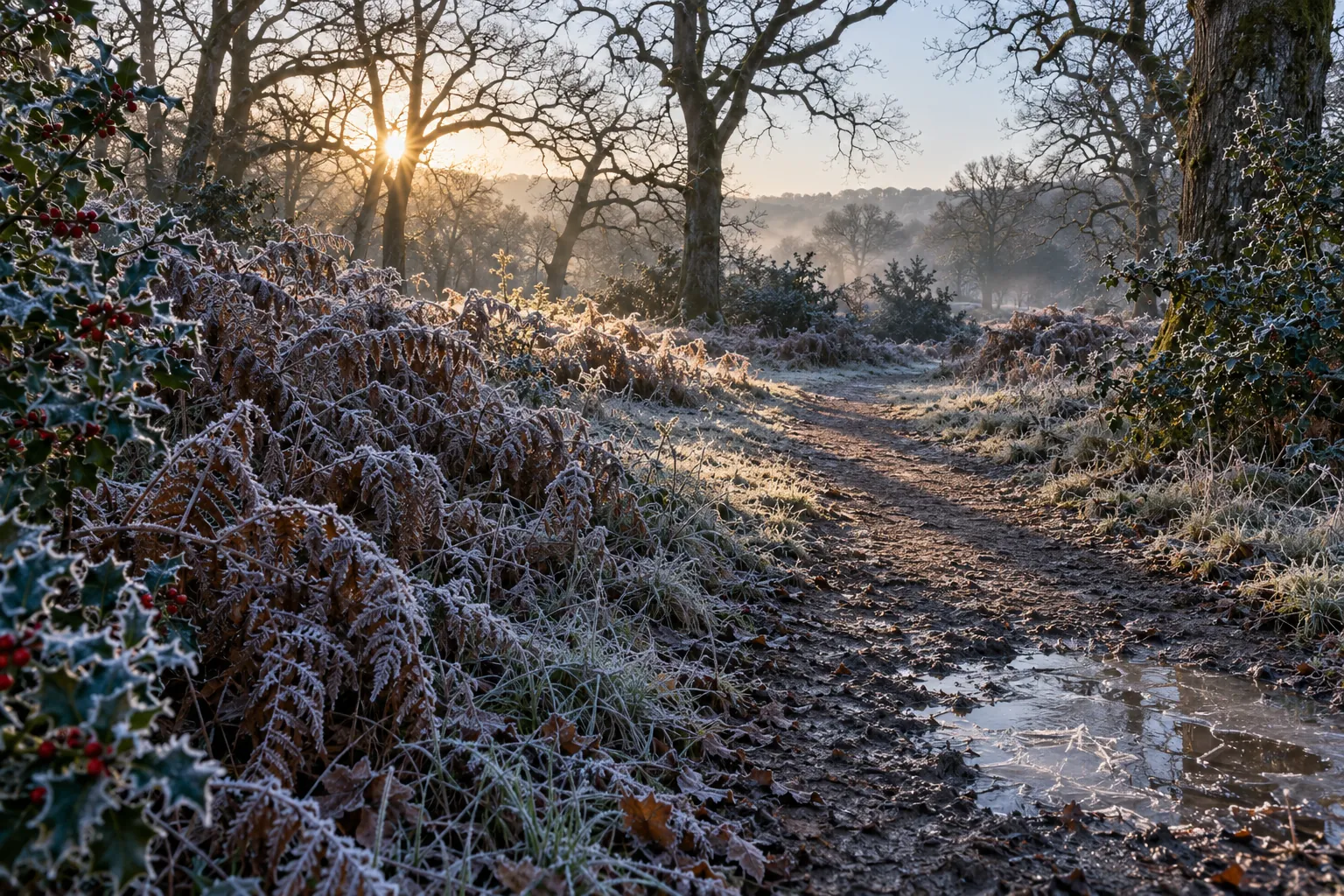
Frosty forest trail with ferns and holly as the low winter sun rises behind bare trees
The Natulivo journal

Field notes

Written by our guides between trips, usually with wet boots still on. Seasonal advice, species to look for and the occasional opinion.

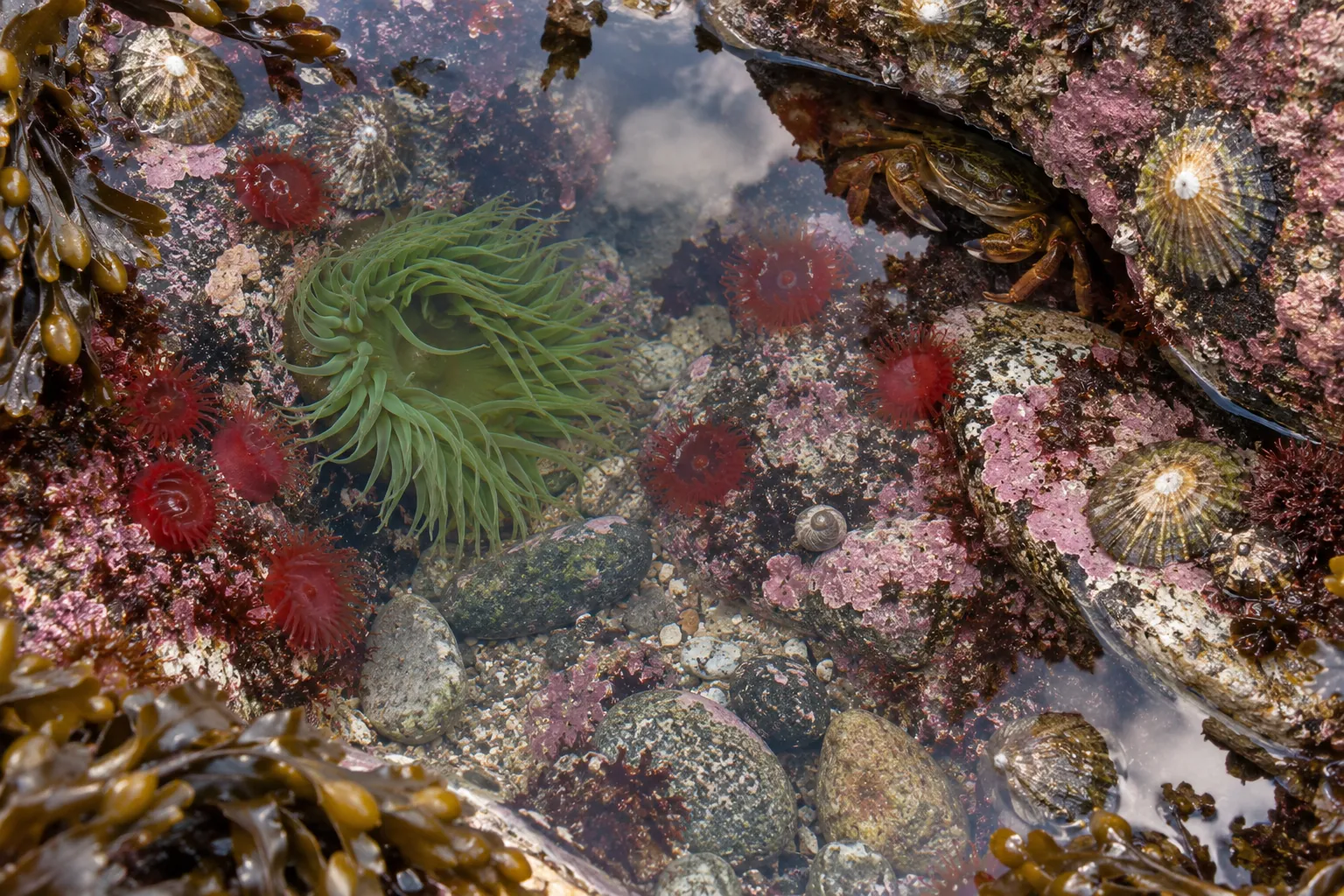
Clear tide pool with red anemones, green seaweed, limpets and pink coralline algae on a granite shore
Featured · Ocean

How to read a tide pool at low tide

Tide pools look chaotic until you know that every shore is arranged in bands by height. Learn the bands and you will know what to expect before you kneel down.

The Gulf of Maine has some of the biggest tides in the world, and at Bar Harbor the water drops more than ten feet in six hours. Twice a month, around the full and new moon, the tide falls even further. These are spring tides, nothing to do with the season, and the lowest of them uncover animals that spend most of their lives underwater.

Start at the top and work down

The black zone above the high tide line is stained dark by tiny cyanobacteria and home to rough periwinkles that can survive days without the sea. Below it, the barnacle zone is crusted white with acorn barnacles that close up tight when the tide is out.

The rockweed zone is where most visitors stop: knotted wrack and bladder wrack hide periwinkles, dog whelks, blue mussels and invasive green crabs. Keep going. The Irish moss zone, uncovered only on the lowest tides, is where the color arrives: pink coralline algae, northern sea stars, green sea urchins, anemones and, if you are lucky, a rock gunnel wriggling under a stone.

The best pool is rarely the biggest. Look for one with a deep overhang and plenty of seaweed. That is where everything hides from the gulls.

Lift gently, put it all back

Lift rockweed like a curtain, look underneath and let it fall back into place. If you turn a stone, lift it toward you so anything underneath moves away from your fingers, then return it the same way up. Collecting anything, even an empty shell, is not allowed in Acadia National Park.

What to bring

  • A tide chart. Arrive an hour before low tide and leave as it turns. The water comes back faster than you think.
  • Rain boots or old sneakers with grip. Wet rockweed on granite is very slippery.
  • A clear tub to look in, filled with seawater, and a net only for open water, never for scraping.
  • A phone in a waterproof pouch for photos instead of buckets of animals.

Join us: Tide Pool Safaris run on every good low tide from April to October at Ship Harbor in Acadia. See dates and prices.
Recent notes

From the last few months.

Open any note to read it in full. New ones go out first in the Field Letter, our monthly email.

Forest
Mushrooms without fear: five safe rules
September 28, 2026Megan Hollis

Mushrooms without fear: five safe rules

Most mushrooms are harmless to look at and many are hard to tell apart. Here is how we teach beginners to stay safe and still enjoy the season.

Read the full note

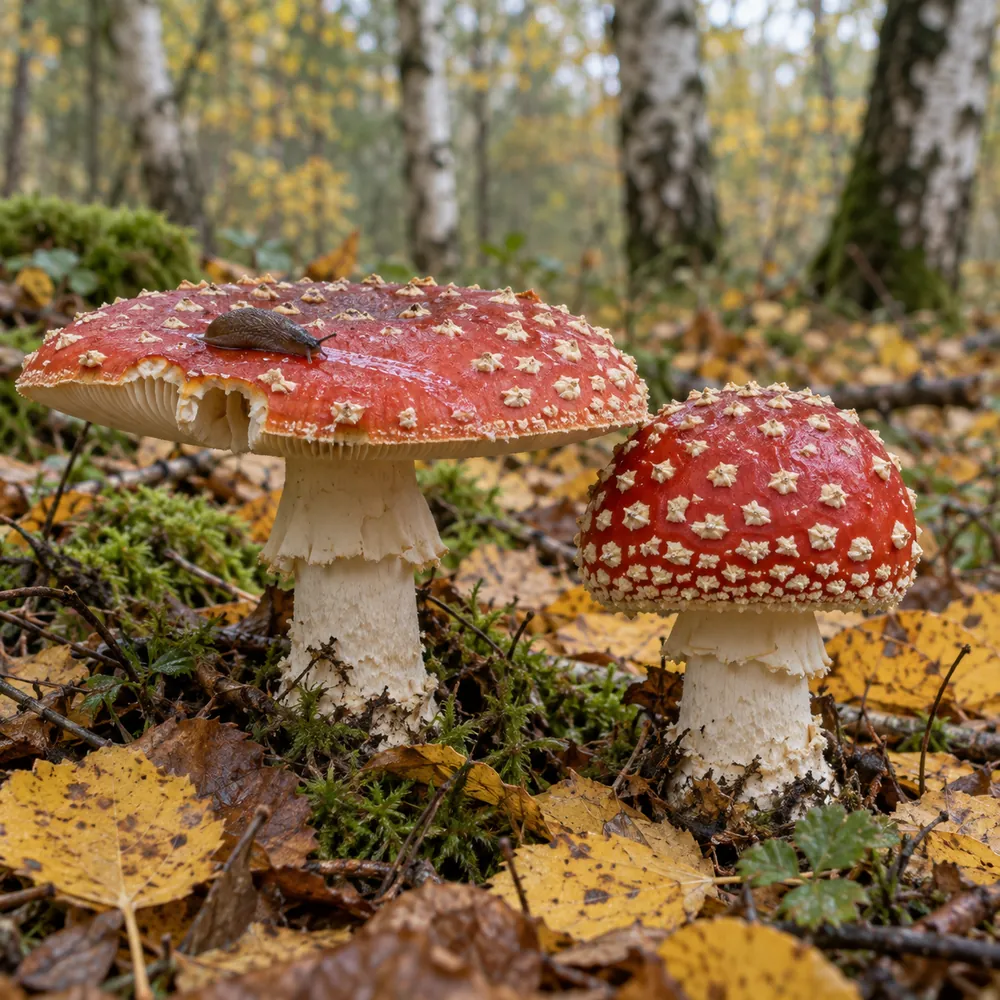
Rule one: never eat anything you have identified from a photo or an app. Rule two: always take a spore print, which costs nothing and settles more questions than any book. Rule three: learn the deadly few first. Destroying angels and other Amanitas grow in Maine woods every fall and cause most serious poisonings in North America.

Rule four: photograph, do not pick, and never collect inside Acadia National Park. A forest floor without its mushrooms has nothing for slugs, beetles and red squirrels. Rule five: come back next week. The same log can fruit different species every few days through October.

Field
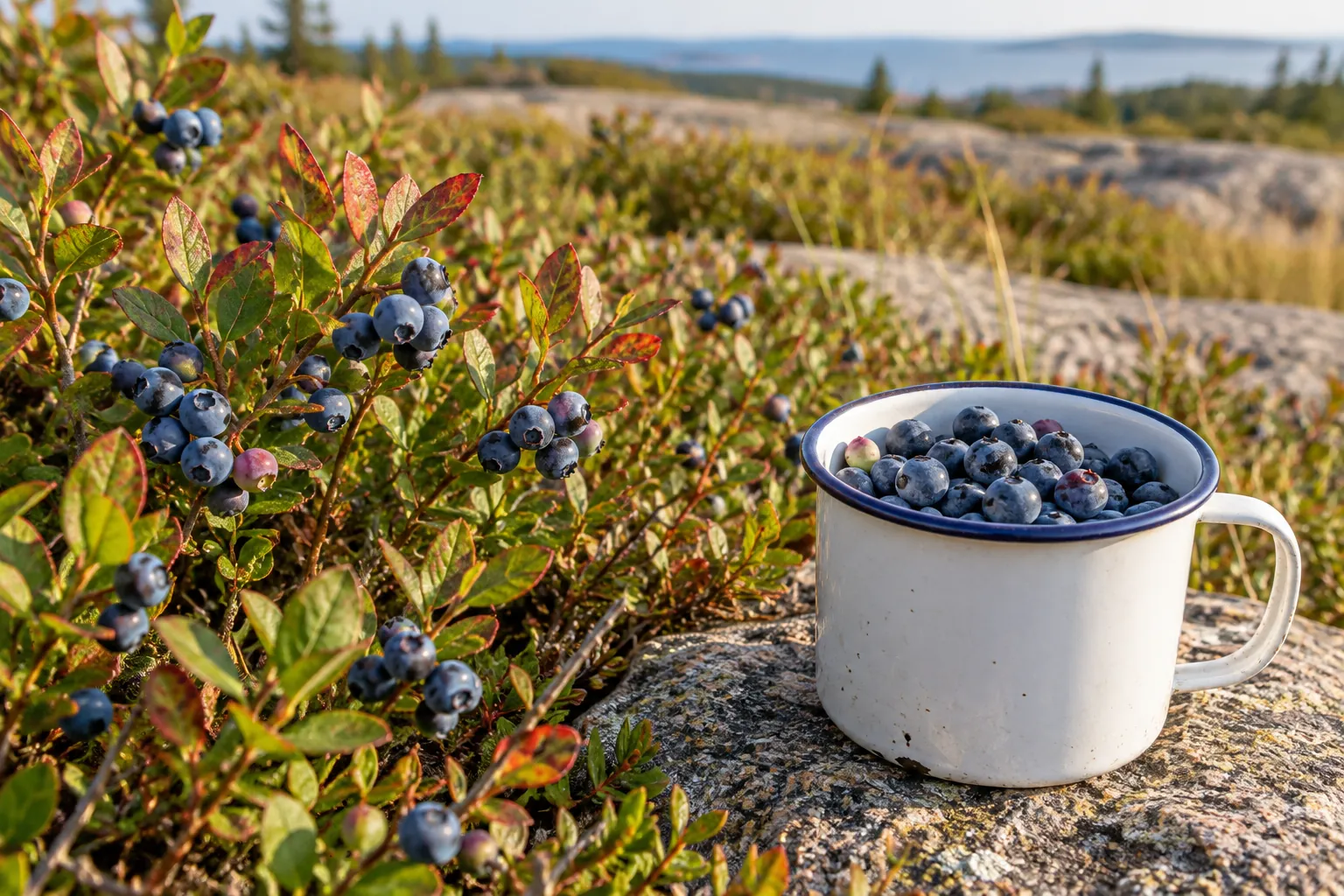
Wild blueberry season, and where not to pick
August 9, 2026Priya Nair

Wild blueberry season, and where not to pick

Maine's barrens look like open wilderness. Most of them are working farms, and picking there without permission is taking someone's crop.

Read the full note

Lowbush blueberries ripen from late July to early September. The big Downeast barrens are privately owned and harvested commercially, so stay out unless a sign or the grower says you are welcome. Many farms run pick-your-own days, and they are worth the drive.

Inside Acadia, picking a small amount of berries for eating on the spot is allowed, but check current park rules before you go. Leave plenty for the bears, foxes, cedar waxwings and the next hikers, and never trample the low shrubs to reach a better patch.

Ocean
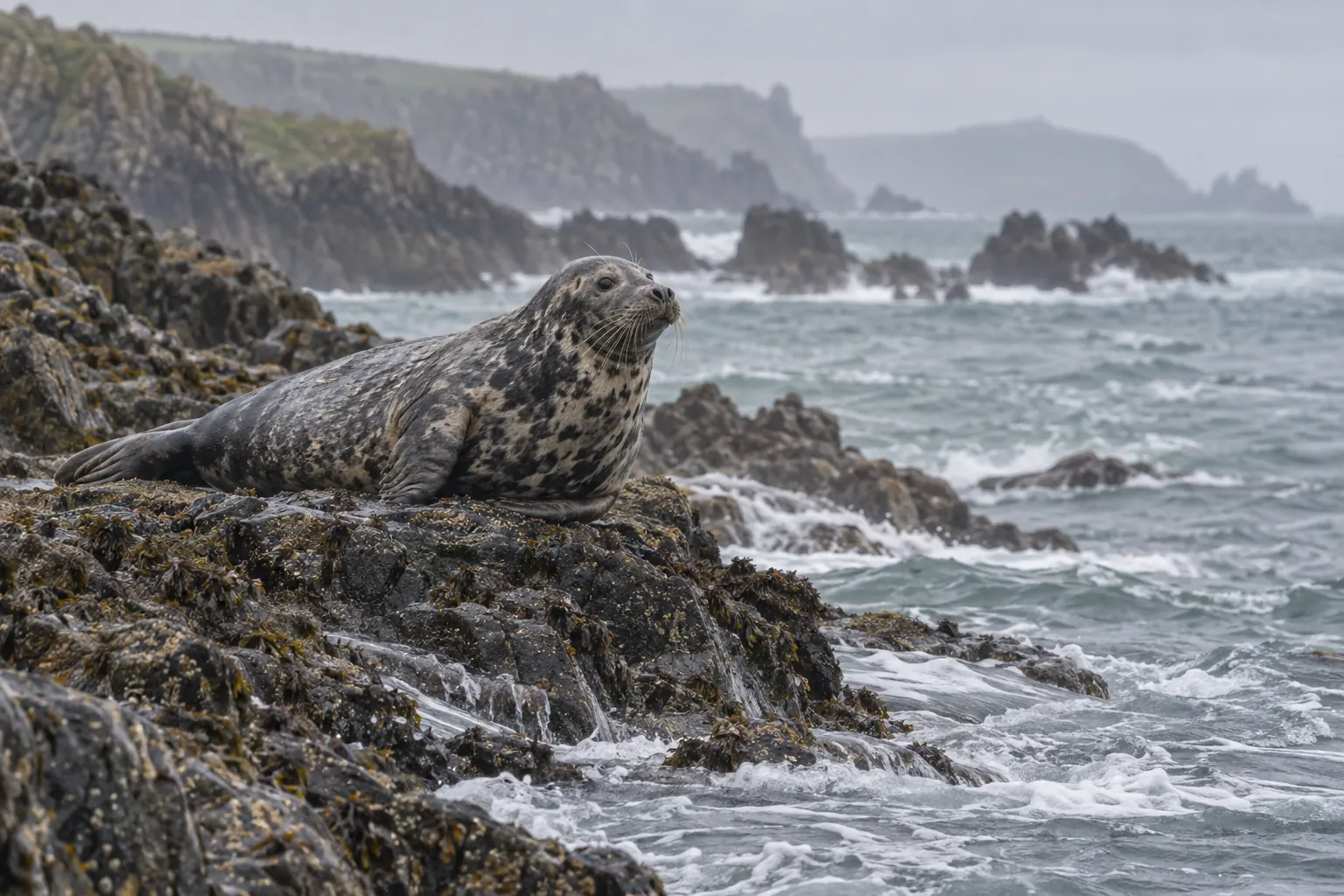
Watching seals without spoiling their day
July 21, 2026Rob Pinkham

Watching seals without spoiling their day

A seal that slides into the water because of you has lost energy it needed. Here is how to tell when you are too close.

Read the full note

Harbor seals haul out on Maine's ledges to rest, digest and, in May and June, to nurse their pups. Every time they are flushed into the sea they burn energy, and pups can be separated from their mothers. Seals are protected under the federal Marine Mammal Protection Act, and NOAA asks people to stay at least 50 yards away.

The signs are simple. If a seal lifts its head and looks at you, stop. If it starts moving toward the water, back away slowly. A pup alone on a beach is usually waiting for its mother. Keep people and dogs well back and call the regional marine mammal stranding network rather than touching it.

Forest
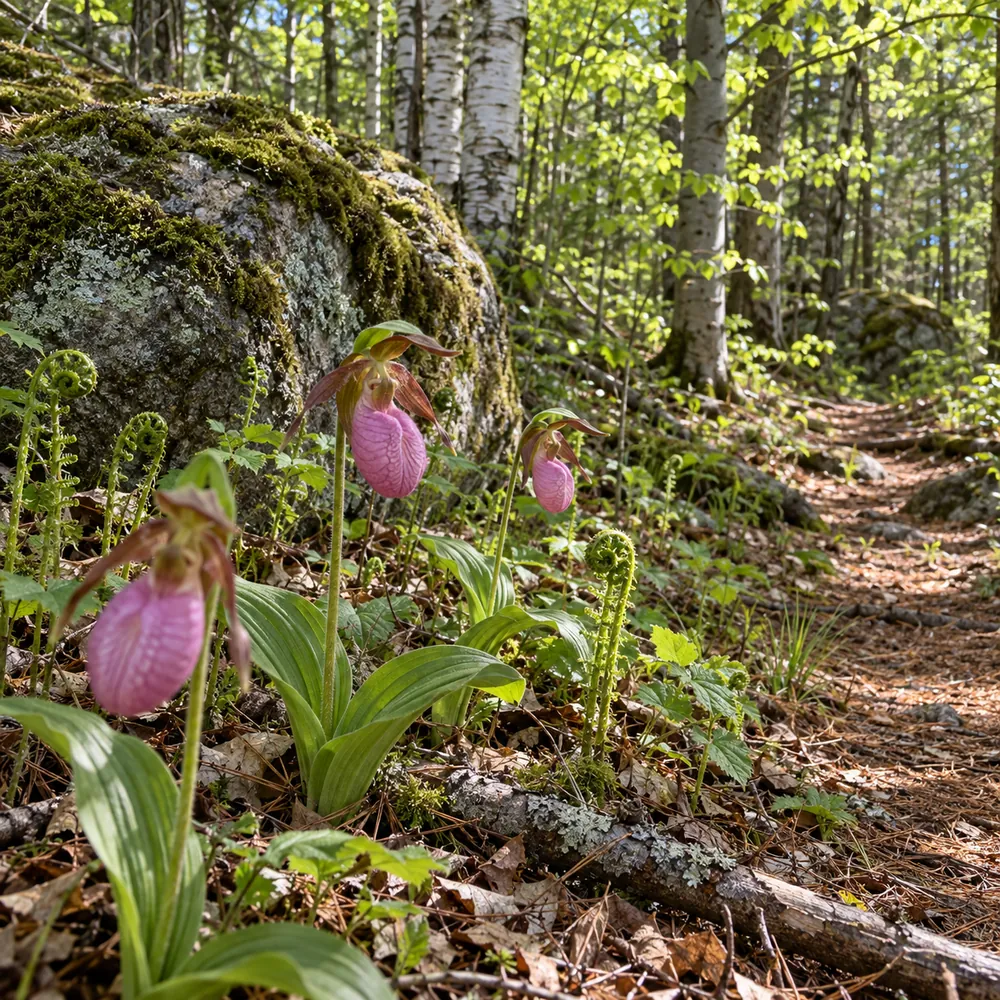
Lady's slippers: look closely, never dig
May 18, 2026Megan Hollis

Lady's slippers: look closely, never dig

Every spring someone asks if they can take one home for the garden. The answer is no, and the reason is underground.

Read the full note

Pink lady's slippers depend on a soil fungus to feed their seedlings, which can take ten years or more to flower for the first time. Dug-up plants almost always die within a couple of seasons, because the fungus does not come with them.

The flower itself is a trap. Bumblebees push inside the pouch looking for nectar that is not there and can only escape past the pollen. Look for them in late May and June under pines and oaks in acidic soil, and enjoy them where they grow.

Field
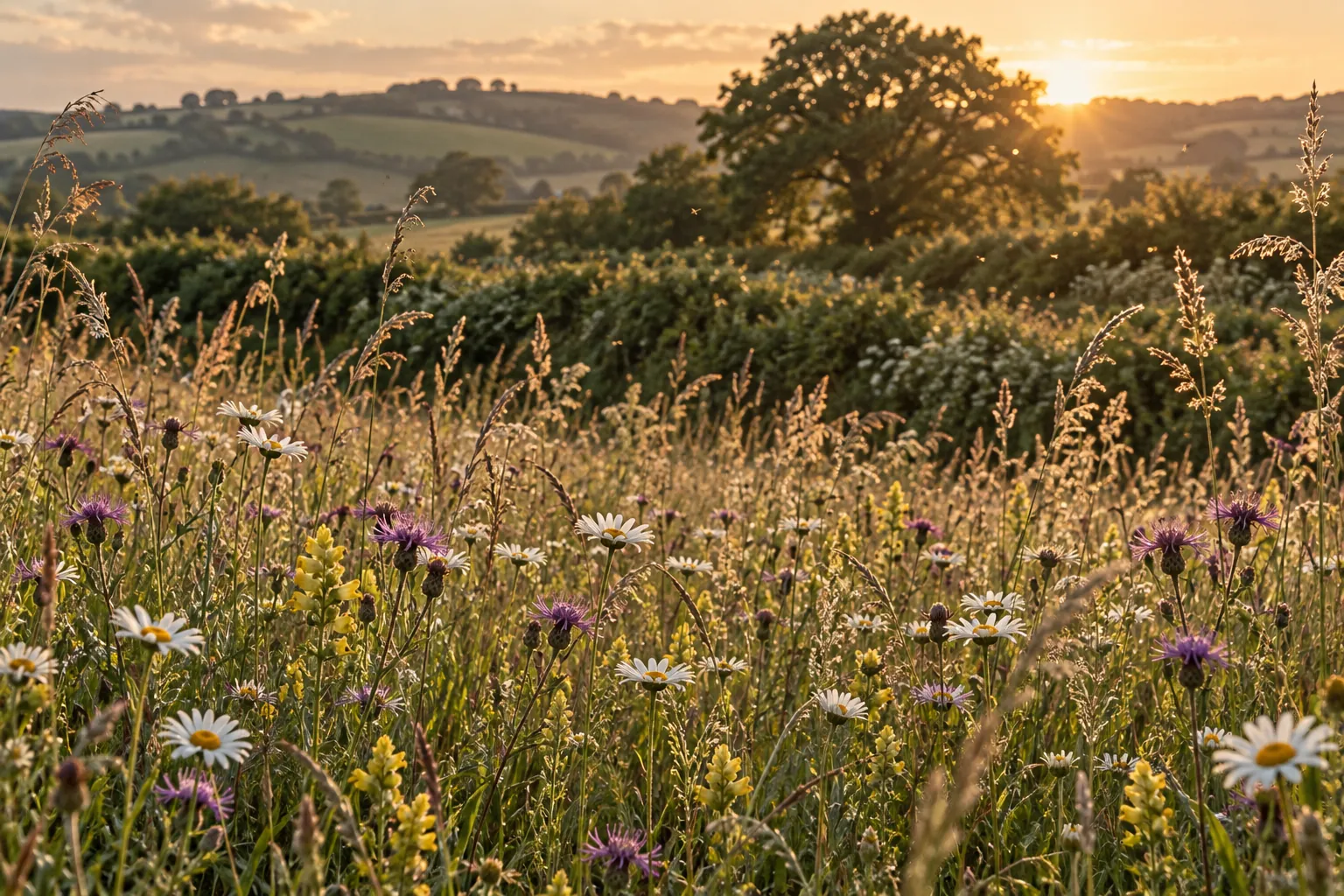
Why the best hayfields are cut late
June 30, 2026Priya Nair

Why the best hayfields are cut late

A hayfield mown in early June can wipe out a whole season of bobolink nests. Waiting a few weeks changes everything.

Read the full note

Bobolinks nest on the ground in tall grass and need about 65 days from the first egg to young that can fly. In Maine that usually means mid-July. Fields cut earlier lose nearly all their nests, and the species has declined sharply across New England as hay is cut earlier and more often.

The farmers we work with on the Blue Hill Peninsula delay their first cut, or leave strips uncut, and the birds have come back. Late mowing also lets wildflowers set seed, which is why those fields are so good for monarchs and bumblebees by August.

Ocean
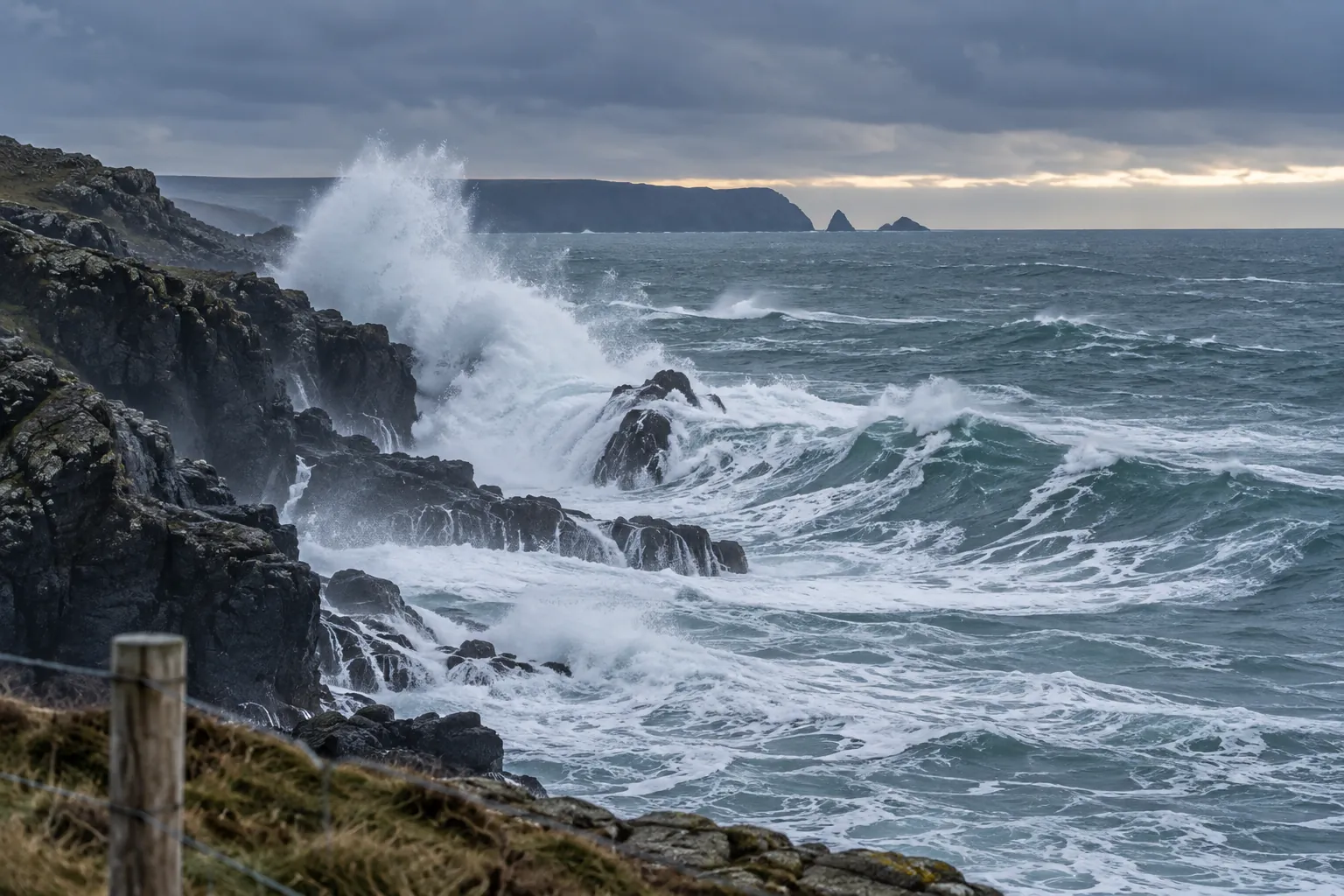
Storm watching safely on the Maine coast
January 12, 2026Rob Pinkham

Storm watching safely on the Maine coast

Winter swells are one of the great sights of the Acadia coast. They also catch people every few years. Where to stand and where not to.

Read the full note

Big waves come in sets, and every so often one is much larger than the rest. Never stand on low ledges, at the edge of Thunder Hole or on a breakwater during a storm swell. The safe spots are high, set back from the edge, with dry rock and plenty of room behind you.

Check the National Weather Service marine forecast and the tide chart. The most dangerous mix is a long-period swell arriving at high tide. If in doubt, watch from the car or a café window in Bar Harbor, and bring binoculars for the eiders riding the troughs.

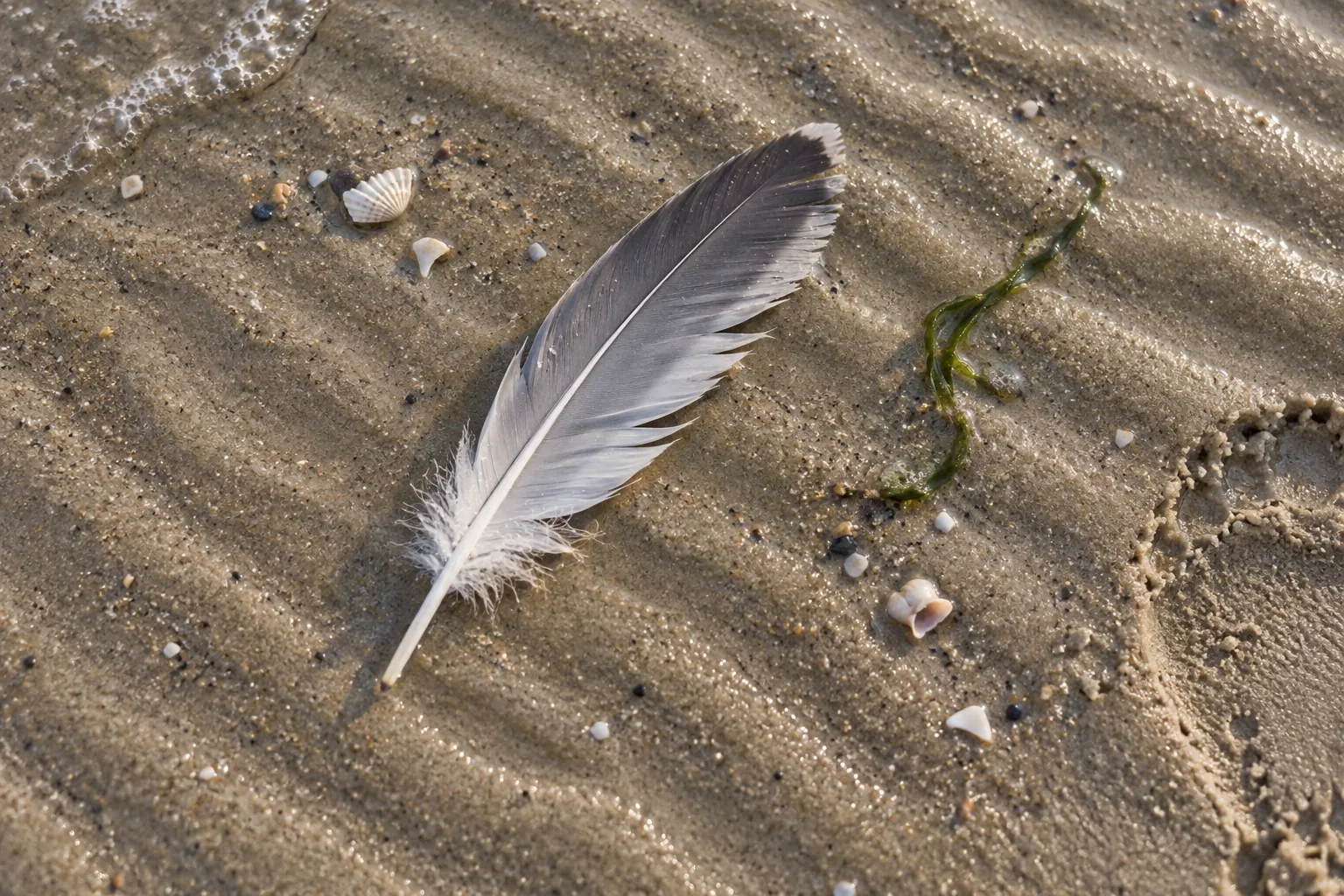
Gray and white gull feather lying on rippled wet sand at the tide line
The Field Letter

One email a month, sent on the first Sunday.

What is out there right now, the best low tides of the month, new trip dates before anyone else and one journal note in full.

  • Around 3,900 readers, mostly in New England
  • No ads and no third-party offers
  • Unsubscribe with one click from any issue

Sign up using the box at the bottom of this page.

Subscribe below